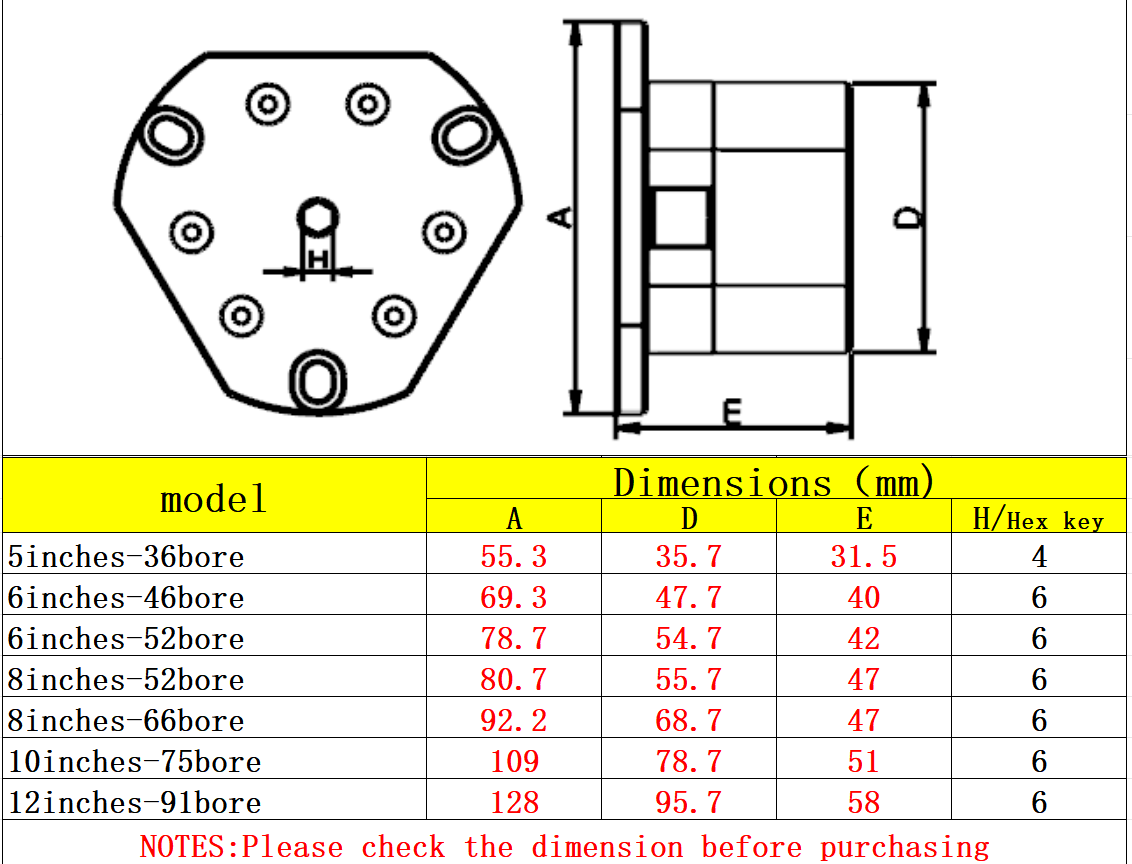
In modern manufacturing, CNC machine tools play a critical role in achieving high precision and efficiency. However, effective chip management is equally vital to maintaining productivity, ensuring operator safety, and prolonging machine lifespan. Chip conveyors, designed to remove swarf (metal chips) and debris from machining zones, are indispensable components of CNC systems. This article explores common types of chip conveyors and provides practical guidelines for selecting the optimal solution.
Classification of Chip Conveyors
1.Chain-Type Conveyors
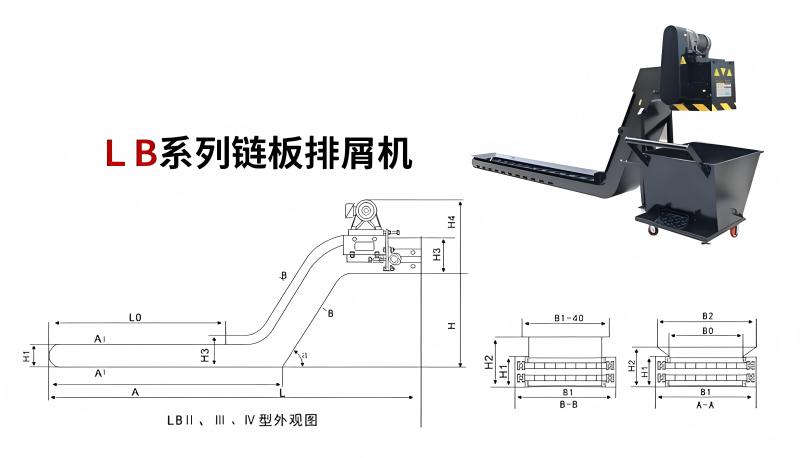
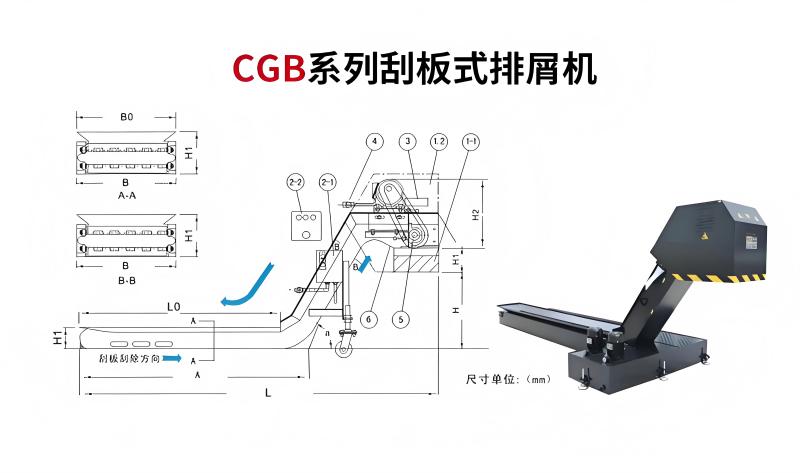
Chain conveyors utilize a series of interconnected scraper plates or hinged belts driven by chains. They excel in handling large volumes of heavy chips, such as those from milling or turning operations. Their robust design suits high-production environments but requires regular maintenance to prevent chain jamming.
2.Hinge Belt Conveyors
Featuring a flexible rubber or polymer belt with raised cleats, hinge belt systems are ideal for transporting both dry and wet chips. They work well with fine or stringy chips (e.g., aluminum or copper) and are quieter than chain-type systems. However, abrasive materials may wear the belt prematurely.
3.Screw Conveyors
Screw (auger) conveyors use a helical screw rotating within a trough to move chips horizontally or at an incline. They are compact and effective for small, granular chips (e.g., cast iron or brass). Limitations include difficulty handling long, tangled chips and potential clogging.
4.Magnetic Conveyors
Designed for ferrous materials, magnetic conveyors employ a magnetic drum or belt to attract and transport iron-based chips. They eliminate the need for manual separation and are energy-efficient. Non-ferrous materials, however, require alternative solutions.
5.Filterless Coolant Recycling Systems
These systems integrate chip removal with coolant filtration. Centrifugal force separates chips from coolant, allowing clean coolant reuse. They are ideal for high-volume coolant applications but may struggle with viscous or sticky residues.
Key Factors for Selecting a Chip Conveyor
1.Material Type and Chip Characteristics
· Ferrous vs. Non-Ferrous: Magnetic conveyors suit ferrous chips, while chain or belt systems handle non-ferrous materials.
· Chip Shape/Size: Stringy aluminum chips demand belt conveyors; fine cast iron swarf works with screw conveyors.
2.Machine Tool Type and Workflow
· Space Constraints: Compact screw conveyors fit small CNC lathes; larger machining centers may require belt or chain systems.
· Coolant Usage: Wet chips necessitate corrosion-resistant materials (e.g., stainless steel) and coolant-compatible designs.
3.Production Volume
High-throughput operations demand heavy-duty chain conveyors, while low-volume shops benefit from simpler screw or magnetic systems.
4.Maintenance and Durability
Consider ease of cleaning, wear resistance, and component lifespan. For example, hardened steel chains endure abrasive titanium chips better than standard belts.
5.Integration with Automation
Automated lines may require conveyors with sensors or programmable controls to synchronize with robotic arms or centralized chip-handling systems.
6.Environmental and Safety Compliance
Enclosed systems minimize coolant mist and noise, while splash guards prevent workplace hazards.
Case Study: Automotive Manufacturing
In an automotive plant producing engine blocks, a combination of chain conveyors (for heavy cast iron chips) and magnetic systems (for steel components) ensures uninterrupted production. Coolant filtration units reduce waste disposal costs by 30%, highlighting the importance of a tailored solution.
Selecting the right chip conveyor requires a holistic analysis of material properties, machine specifications, and operational goals. Collaborating with suppliers to test prototypes or simulate conditions can prevent costly mismatches. Ultimately, an optimized chip removal system enhances machining accuracy, reduces downtime, and contributes to sustainable manufacturing practices. By aligning conveyor capabilities with specific needs, manufacturers unlock the full potential of their CNC investments.