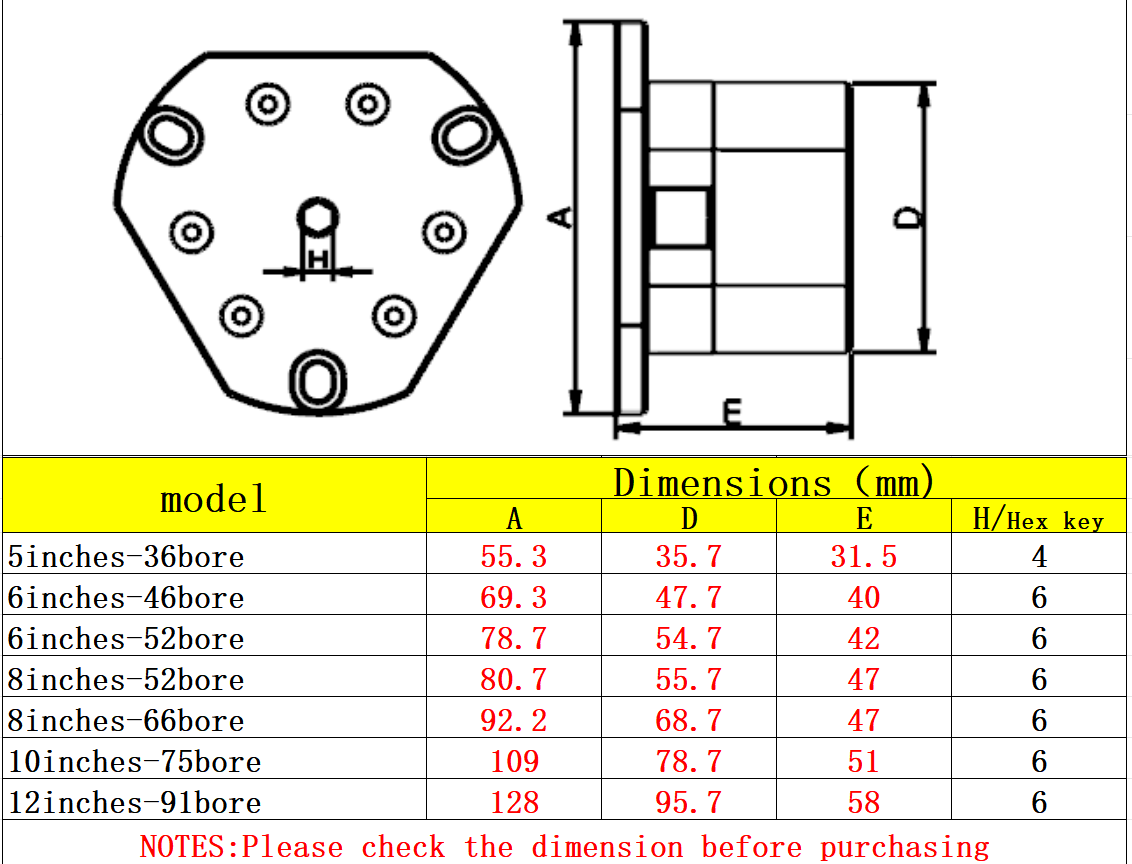
Turning centers with power tool turrets are becoming increasingly popular among machining users. Two different type turrets dominate modern lathes:one is the Build-in Motor Turret (BMT) and another is the VDI (Verein Deutscher Ingenieure - Association of German Engineers) Turret. Understanding their fundamental differences is crucial for manufacturers selecting the optimal machine for their specific needs.
The Core Distinction: different type tool disc and live tooling
VDI Turret (Power from the Turret Body):
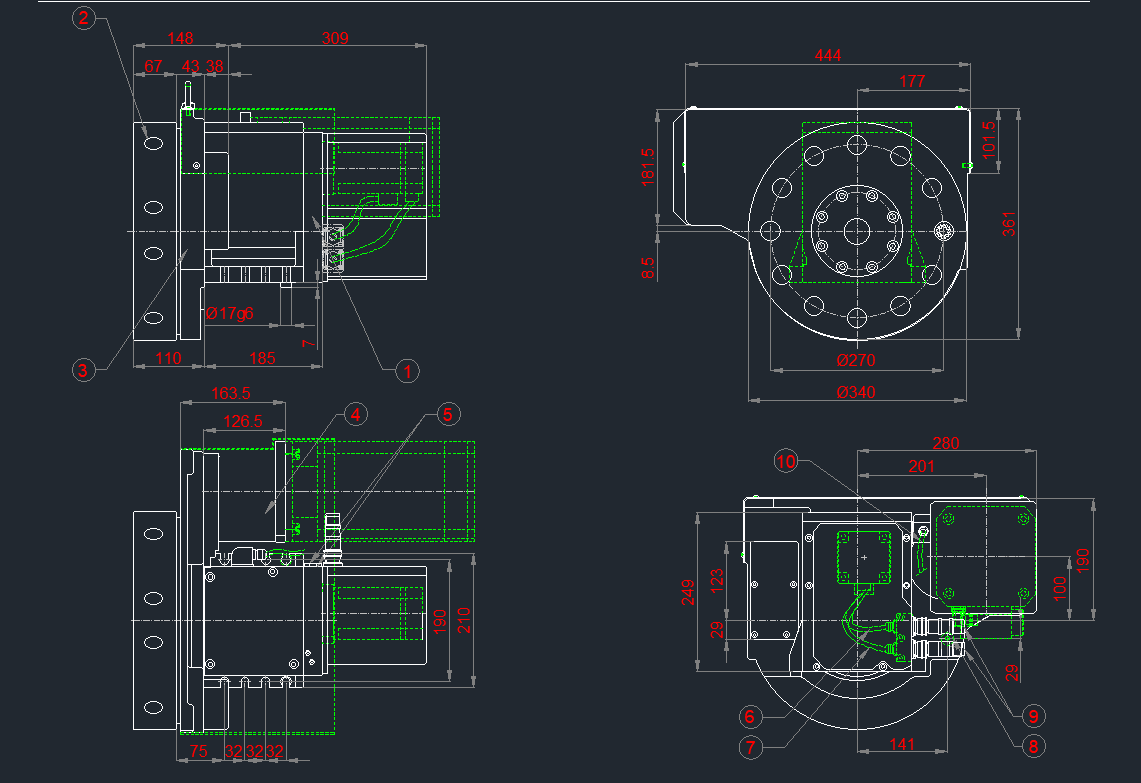
Centralized Motor: A single, relatively large servo motor is housed within the main body of the turret itself, usually behind or beneath the tool stations.
Coupling-Driven: Rotational power is transmitted from this central motor to individual tool stations via a complex internal mechanical coupling system (gears, shafts, clutches).
Interface: Tools mount onto standardized VDI interface plates (e.g., VDI 30, VDI 40, VDI 50). The number (30, 40, 50) indicates the theoretical distance in mm from the turret face to the spindle centerline and relates to the size/power capacity. A drive key on the plate engages with the turret's coupling mechanism.
BMT Turret (Power at the Tool Station):
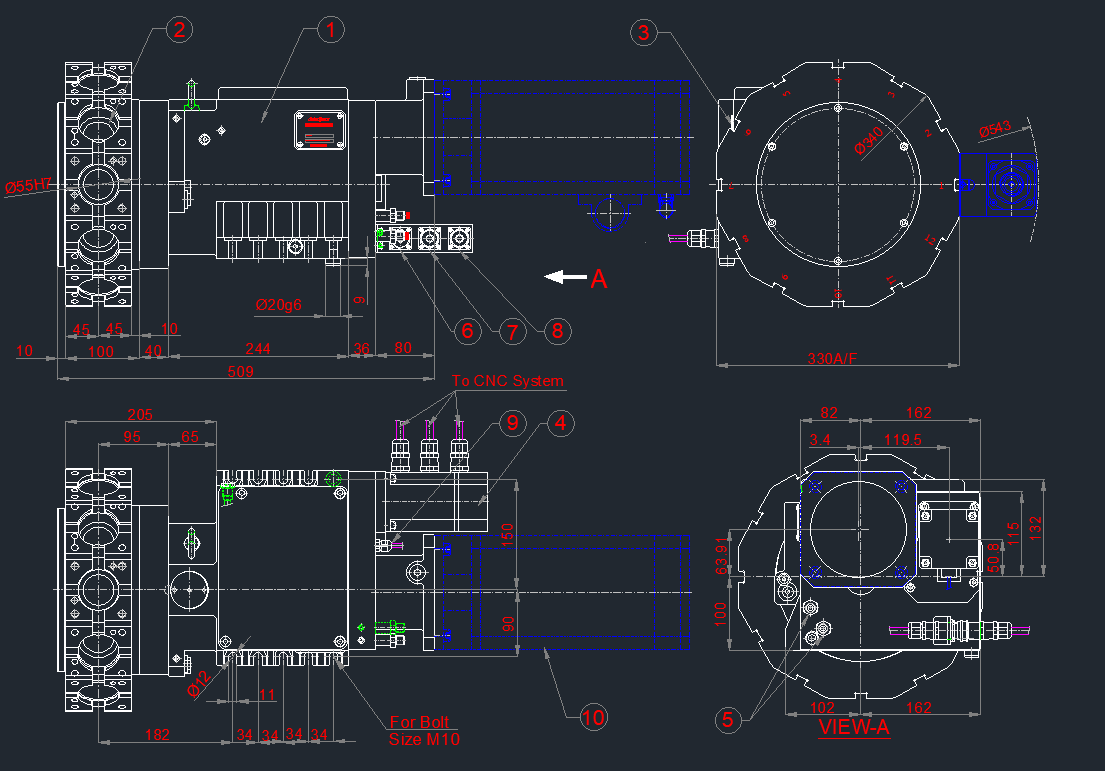
Distributed Motors: Each tool station on the turret has its own dedicated, compact servo motor built directly into the station.
Direct Drive: There is no mechanical coupling between stations. The motor on the active station directly rotates the tool holder. Power and control signals are routed through the turret's indexing mechanism to the active station.
Interface: Tools mount onto a simpler, flatter BMT interface. The drive mechanism (the motor itself) is integral to the turret station, not the tool holder. BMT sizes (e.g., BMT 55, BMT 65, BMT 85) primarily relate to the torque capacity of the built-in motor.
Impact on Performance and Application:
This fundamental design difference cascades into critical performance characteristics:
Feature | VDI Turret | BMT Turret |
Rigidity & Vibration | Moderate; coupling introduces potential compliance | Superior; direct drive minimizes mechanical losses |
Torque Transmission | Limited by coupling strength; prone to losses | Higher & More Direct; motor delivers full torque |
Speed | Generally Higher Max RPM | Often lower max RPM due to motor size constraints |
Accuracy & Repeatability | Good, but coupling backlash can be a factor | Excellent; eliminates coupling backlash |
Tool Change Speed | Slightly faster (lighter turret) | Slightly slower (heavier turret) |
Complexity | Complex internal drive mechanism | Simpler mechanics per station; complex wiring |
Heat Generation | Motor heat concentrated in turret body | Heat distributed at each station |
Cost | Generally Lower initial machine cost | Generally Higher initial machine cost |
Choose VDI If:
Your primary work involves high-speed finishing, smaller diameter tools, or lighter cuts.
Budget constraints are significant.
Maximum RPM is a critical requirement.
You work with a wide variety of standard tooling readily available for VDI.
Choose BMT If:
Rigidity and stability are paramount (heavy roughing, interrupted cuts, hard materials, large diameters).
You require maximum torque delivery for aggressive machining.
Ultimate precision and repeatability are non-negotiable.
You frequently machine challenging materials.
Minimizing vibration for superior surface finish is critical.
Long-term reliability and potentially lower maintenance costs are priorities over initial investment.
Both VDI and BMT turrets are highly capable systems powering modern CNC lathes. The VDI turret, with its centralized motor and coupling drive, offers a cost-effective solution with high speed capabilities, well-suited for a broad range of general and high-speed turning. The BMT turret, featuring individual station motors and direct drive, represents the pinnacle of rigidity, torque transmission, and accuracy, making it the preferred choice for demanding applications involving heavy cuts, challenging materials, and where the highest levels of precision and stability are required. The optimal choice ultimately hinges on the specific machining tasks, materials, performance priorities, and budget of the manufacturer. Understanding the core technology behind each system empowers buyers to make the most informed decision for their production needs.